
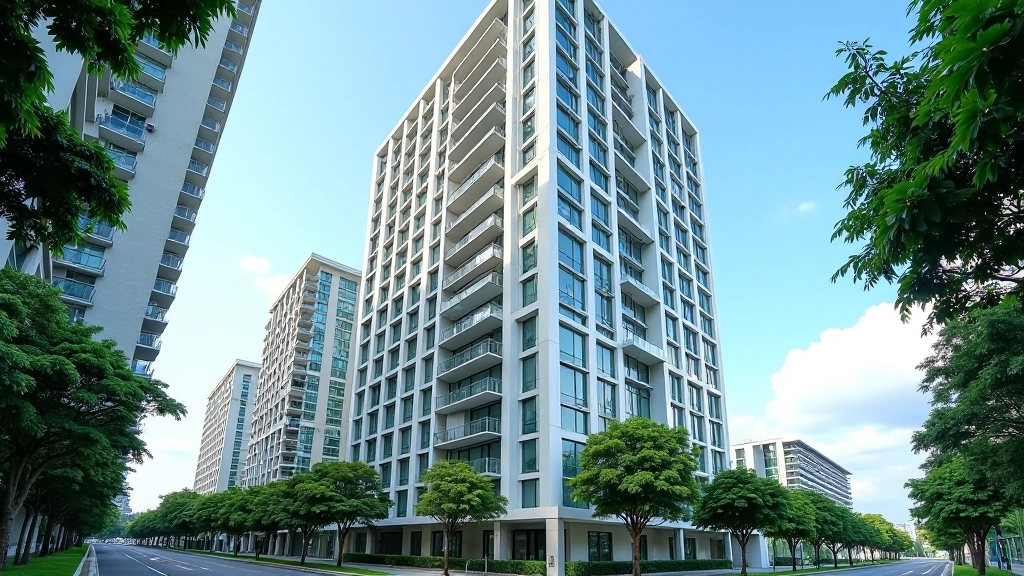
Budget-Friendly Apartments Within Walking Distance of MRT
We've identified affordable options where you're just a short walk from Jurong East station—no premium pricing for convenience.

Walking Distance Matters More Than You Think
You don't need to spend a fortune to live conveniently. The apartments we've researched sit within a 10-15 minute walk from Jurong East station. That's the sweet spot—close enough that you'll skip the taxi, far enough that landlords don't charge premium prices.
Here's what we found: three-bedroom units averaging around $2,400-$2,800 per month, one-bedroom studios from $1,200-$1,600. These aren't luxury conversions or brand-new developments. They're solid, functional apartments where families and professionals actually live. The commute to the interchange takes about 12 minutes on foot.
3
Neighborhoods with good stock
12
Minutes walking to station
20%
Lower than MRT-adjacent units
The Three Neighborhoods Worth Considering
Not all areas near the station are created equal. We've narrowed it down to three neighborhoods that offer genuine value. Each has different vibes, but all share one thing: reasonable rent without the "MRT premium."
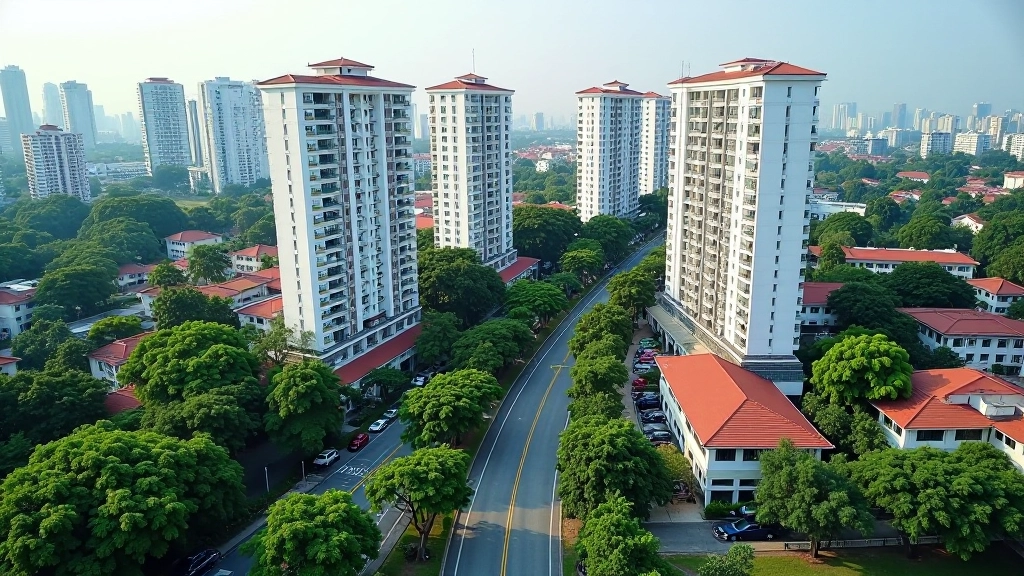
Boon Lay is your quietest option. It's about 15 minutes' walk, mostly residential, with older apartment blocks that aren't flashy but are well-maintained. Landlords here tend to be flexible on lease terms. Pioneer is the middle ground—more established neighborhood, slightly busier, with a good mix of older and newer units. Then there's Jurong West itself, right on the edge of the interchange area, where you'll find the newest stock but slightly higher rents.

Where to Actually Find These Apartments
Don't rely on major portals alone. We've found that most budget-friendly options come from direct landlords who don't advertise widely. Here's what works: check Facebook community groups for Jurong residents—there's usually someone subletting or relocating. WhatsApp groups run by property agents in the area have fresh listings daily.
PropertyGuru and 99.co still matter for getting a sense of the market, but you'll notice they skew toward pricier units. Use them to understand pricing, then look elsewhere. Talk to neighbors. Seriously. Walk around Boon Lay or Pioneer in the early morning and you'll see "Room Available" signs on apartment gates. These are often the best deals because there's no middleman taking a cut.
One more thing: don't dismiss units advertised as "renovated needed." A fresh coat of paint and new flooring might cost $300-500, but landlords often drop rent by $200-300 if you'll do it yourself. That's a quick win.
What Actually Matters When You're Viewing
Don't get distracted by cosmetics. Here's what to focus on:
1
Water pressure and drainage
Turn on every tap. Check if water flows normally and drains quickly. Weak pressure in a $1,400 unit is a red flag. This costs $300-500 to fix if it's plumbing-related.
2
Electrical outlets and ceiling condition
Older units in Boon Lay sometimes have limited outlets. Count them. Check ceiling for water stains or cracks—these suggest past leaks. Water damage is expensive to repair and can reoccur.
3
Ventilation in kitchen and bathroom
No exhaust fan? That's moisture waiting to happen. Mold grows fast in humid Singapore. Budget units sometimes skip this. Ask if you can install one—most landlords allow it if you're renting long-term.
4
Walk to the station yourself
Don't take the agent's word on walking time. Go at your actual commute time. Morning rush, evening rush—see what the foot traffic is like. A "12-minute walk" becomes 20 minutes if you're navigating crowded corridors.
Related Articles



Important Disclaimer
This article provides informational guidance about finding budget-friendly apartments near MRT stations. The rental prices, neighborhoods, and availability mentioned are based on market research from June 2026 and may change. Actual rental costs, lease terms, and apartment conditions vary by landlord and property. Always verify information directly with landlords or agents, conduct your own property inspections, and read lease agreements carefully before committing. This content is educational and doesn't constitute real estate or investment advice. Your housing decisions should be based on your specific circumstances, budget, and priorities.
The Real Win: Smart Location Hunting
Finding a budget apartment near the MRT isn't about luck. It's about knowing where to look and what to prioritize. Skip the premium zones immediately adjacent to the station. Walk into Boon Lay, Pioneer, or the quieter parts of Jurong West. Talk to actual residents. Check for real issues, not cosmetic flaws. You'll find solid, livable apartments at reasonable rates.
The convenience of a 12-minute walk to Jurong East interchange doesn't require a 40% premium over market rates. It's absolutely possible to live comfortably, save money, and have an easy commute. That's the whole point.