
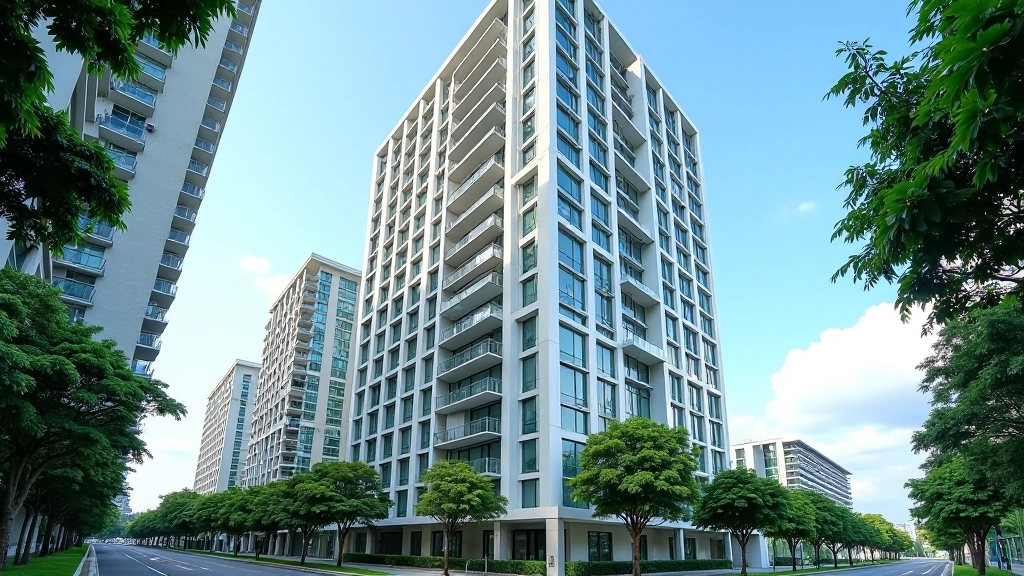
Commuting Hacks: Making the Most of Your MRT Connection
Real strategies from daily commuters about peak hours, line connections, and routines that save time and reduce stress on your morning and evening rides.
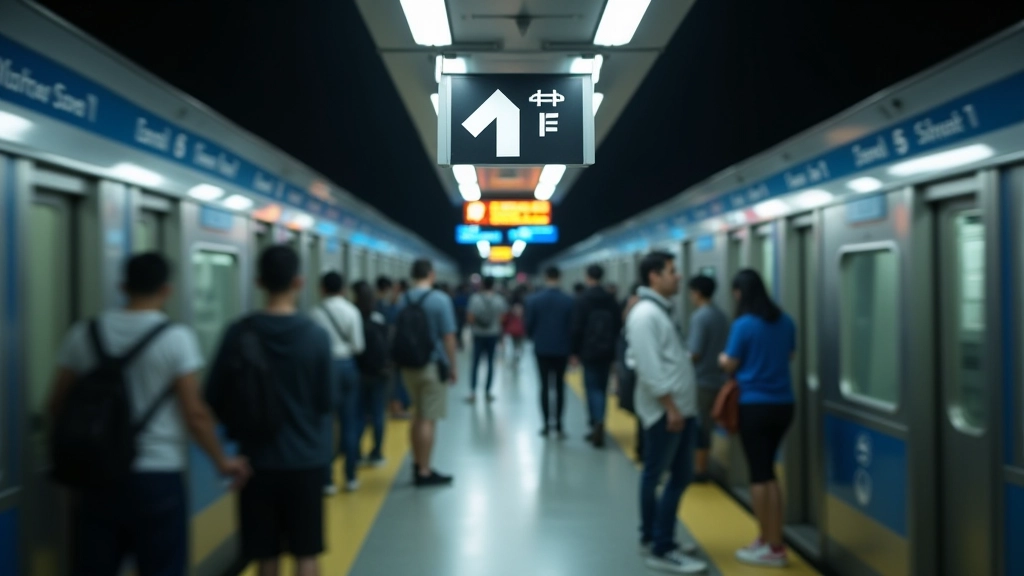
The Daily Grind Is Real
Commuting on the MRT isn't just about getting from Point A to Point B. It's about making those 30 to 60 minutes work for you—or at least not against you. We've talked to dozens of people who live near Jurong East and travel daily through the interchange. They've figured out what actually works.
The thing is, most people treat their commute as dead time. They're stressed, tired, and just trying to get through it. But here's what we've learned: small adjustments to your routine can genuinely change how you feel about your day. We're talking about timing, route choices, and mindset shifts that don't require you to wake up earlier or spend extra money.
3
Peak Hour Windows
5
Connection Routes
15
Minutes Saved Average
Understanding Peak Hours at Jurong East
Jurong East interchange is unique because it's where three lines converge—the East-West Line, the Jurong Region Line, and connecting services. This means crowds vary depending on which direction you're heading and what time you arrive.
The real peak isn't just 7:30 to 8:30 AM. It's more nuanced. Arriving at 7:45 is actually worse than 7:15 or 8:15. Why? Because that's when everyone's stacking up between lines trying to make connections. Leave 5 to 10 minutes earlier or later, and you'll notice the difference immediately.
Evening is different too. The 5:15 to 6:15 PM window is brutal, especially on Thursdays and Fridays. But 6:45 onward? Way more bearable. We're not saying you should change your work schedule, but if you have flexibility, knowing this pattern helps.
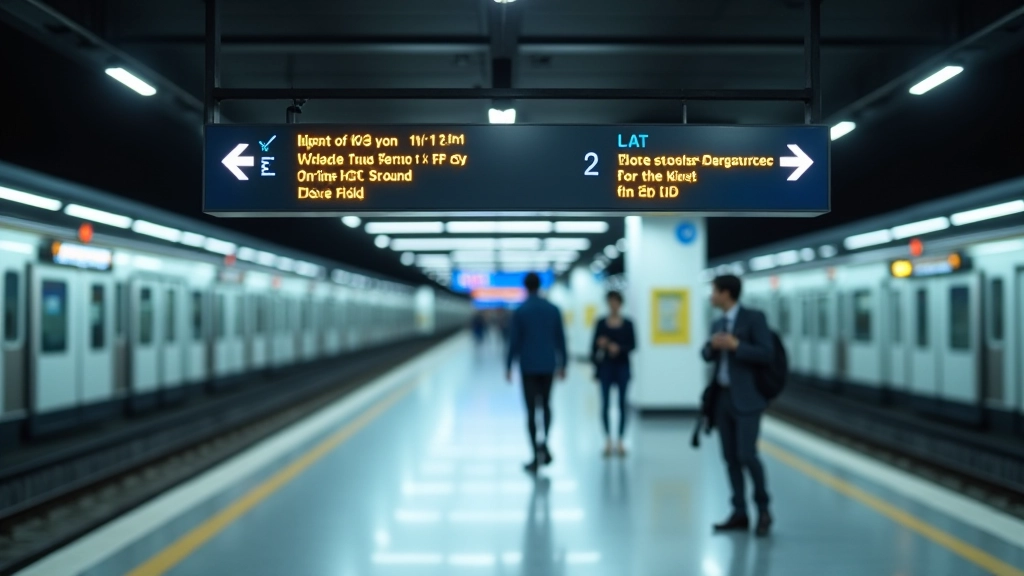

The Line Connection Strategy
Here's something most commuters don't think about: which platform you wait on matters. At Jurong East, if you're transferring between lines, position yourself strategically. Don't just stand anywhere—know which carriage exits closest to your next platform.
The East-West Line to Jurong Region Line transfer? Head to the rear section of the train. You'll exit faster and have a shorter walk to the JRL platform. We've timed it. Doing this consistently saves about 3 to 5 minutes per transfer. Doesn't sound like much, but over a week that's 30 minutes reclaimed.
Download the MRT app and check the platform maps. Seriously. Most people don't know they exist. The app shows you exactly where you should stand for each line combination. It's a small thing that genuinely works.


Building Your Personal Routine
Here's what separates stressed commuters from the ones who actually seem okay: they've got a system. Not something rigid or boring—just consistent choices that work.
Pick the same time every day if you can. Your body adjusts to routine. You'll naturally wake up ready. You won't be rushing or panicking. Plus, you'll start recognizing familiar faces on your train car, which sounds small but it actually makes the experience feel less anonymous.
Use your commute intentionally. Don't just scroll. Listen to a podcast, read a book, practice a language on your phone. We've talked to people who learned Spanish, finished three novels a year, and caught up on work emails—all during their commutes. It reframes the time from "wasted" to "invested."

Information Disclaimer
The commuting strategies and information shared in this article are based on experiences from daily MRT users and general observations about transit patterns. Actual travel times, crowd levels, and platform layouts may vary depending on specific dates, times, and circumstances. This content is provided for informational purposes only and isn't official guidance from Singapore's transit authorities. For official route planning and real-time service updates, please consult the official MRT website or app.
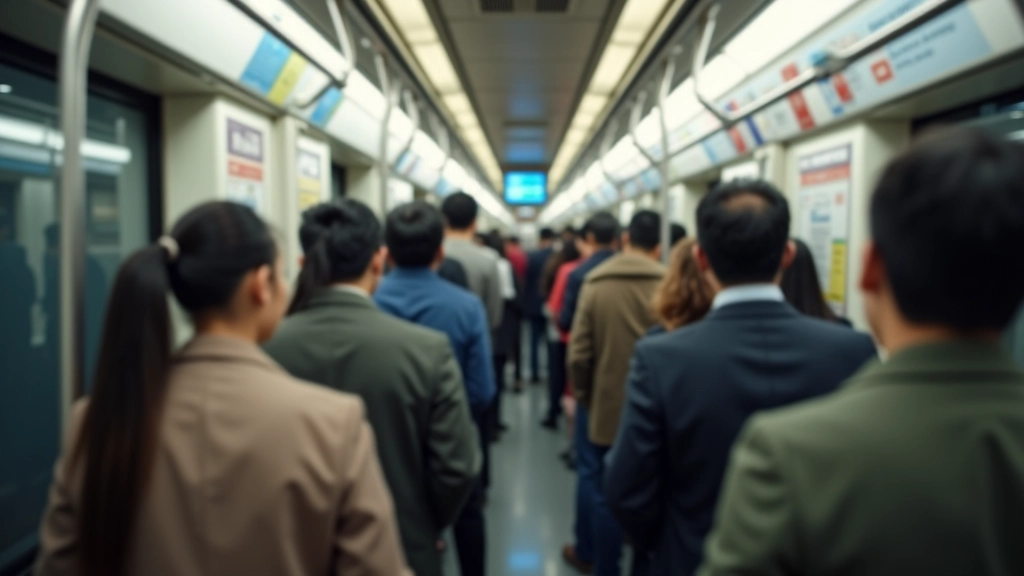
Tools That Actually Help
Technology isn't the whole solution, but certain tools make a real difference. The MRT app obviously—use it for live updates and service disruptions. But also Google Maps. Set your commute as a favorite. It'll show you real-time crowd density on certain trains.
Waze is underrated for commuting. Yeah, it's designed for cars, but it shows you current traffic and delays. If there's a service disruption at Jurong East, Waze often knows before the MRT app does. Having that 2 to 3-minute heads-up lets you pivot to an alternative route.
And honestly? A simple alarm on your phone set 15 minutes before you need to leave. Sounds obvious but you'd be surprised how many people rely on guessing. Consistency beats last-minute rushing every single time.

Your Commute Doesn't Have to Be Miserable
The key isn't finding some secret hack that saves you 30 minutes. It's about making small, intentional choices that add up. Understanding when the real peak hours hit. Positioning yourself strategically during transfers. Building a routine that feels automatic. Using the right tools to stay informed.
People who live near Jurong East have figured this out. They're not stressed about their commutes because they've taken control of the variables they actually can control. You can do the same thing.
Start with one change this week. Maybe it's shifting your departure time by 10 minutes. Maybe it's downloading the MRT app platform map. Maybe it's deciding what you'll actually do with your commute time instead of just surviving it. Small things compound. You'll notice the difference.