
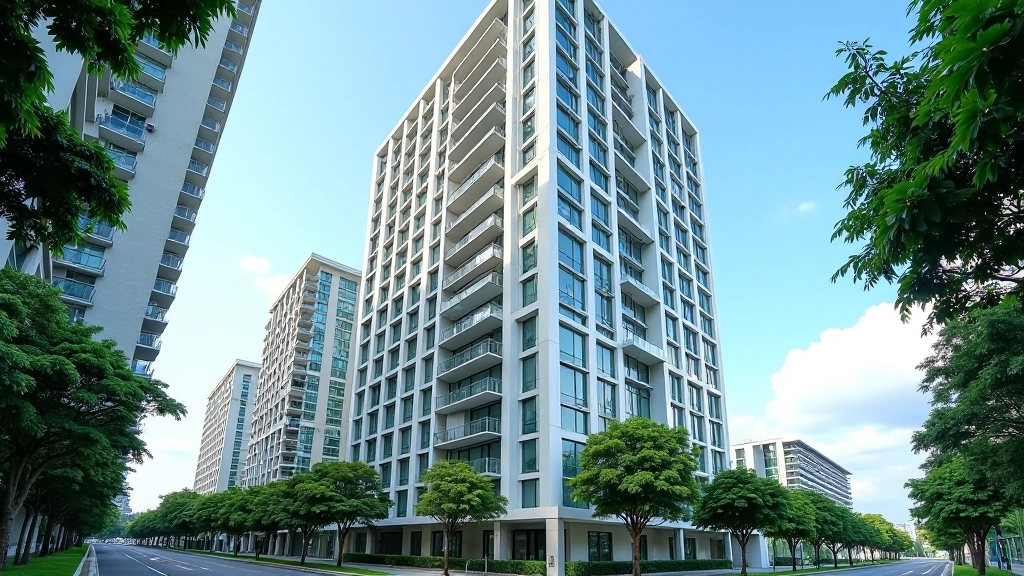
Moving Checklist: What You Actually Need Before Moving to Jurong East
Honest advice on what matters when relocating—utilities setup, essential furniture, neighborhood resources—without the unnecessary overwhelm.

Moving Day Isn't Just About Boxes
When you're relocating to Jurong East, there's a lot happening at once. You're coordinating with movers, arranging utilities, figuring out furniture placement—it's easy to forget something crucial. But here's the thing: most moving lists are bloated with stuff you don't actually need right away. We've stripped it down to what actually matters based on what people regret forgetting and what they're glad they brought.
This checklist focuses on three areas: the essentials you need before day one, the practical setup items that make those first weeks livable, and the neighborhood resources you'll want to know about. Skip the decorative items and furniture showroom plans for now—let's get you settled first.
The First 48 Hours: What Actually Can't Wait
Your first two days matter more than you think. You'll need somewhere to sleep, working utilities, and basic toiletries. Don't overthink this—you're not trying to have a fully furnished apartment immediately.
Get your electricity and water connected before you move in if possible. Call SP Group and PUB at least a week ahead. It sounds obvious, but people still show up to dark apartments at 6 PM on a Friday. Have your identification and tenancy agreement ready—they'll ask for both. You'll also need a temporary light source. A basic LED lamp works better than relying on your phone flashlight while unpacking.
For sleeping, you need a mattress and one set of bedding. That's it. Not three sets. One clean set, one backup in case you need to wash. A pillow, a blanket. Your body doesn't care if your bedroom is Instagram-ready—it cares about being horizontal and comfortable.
Critical Day-One Items
- Toothbrush, toothpaste, basic medications
- Phone charger (and a power bank if you have multiple devices)
- Undergarments and comfortable clothes for 3-4 days
- Basic kitchen items: one pot, one pan, one plate, utensils
- Toilet paper, hand soap, shower items
- Your ID documents and tenancy paperwork
Setting Up Your Space (Week 1-2)
Once you've survived the first night, focus on making your space functional. You don't need much furniture right now—just the basics that let you exist without sitting on the floor or eating standing up.
Furniture-wise: a bed frame (or at least get that mattress off the floor), a small table or desk, and a basic chair. That's genuinely all you need. Everything else—the entertainment unit, the shelving system, the side tables—can wait. You're settling, not decorating. Most people who move realize they bought furniture they didn't actually need within six months anyway.
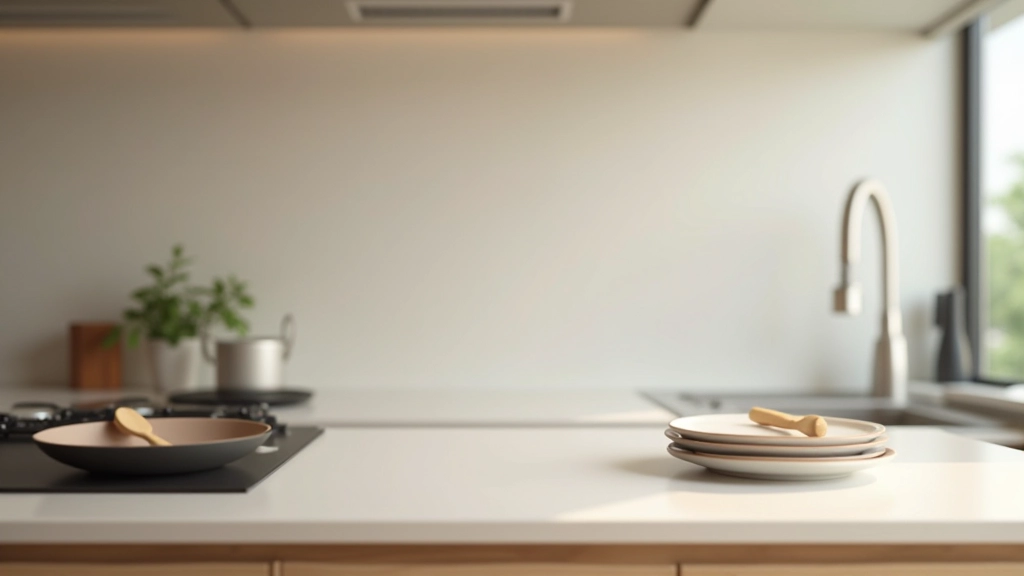
For your kitchen, you don't need 47 pieces of cookware. Get one decent-sized pot for cooking rice and noodles, one pan for frying, a small cutting board, a knife, a wooden spoon, and basic plates and bowls. You'll find you're eating out more in those first weeks than you expect—the appeal of your neighborhood hawker centers is real. Your kitchen is functional, not fancy.
Storage is important. Get a few plastic storage boxes to organize what you've brought. You'll probably be living out of half-unpacked boxes for a while, and having a system—even a simple one—makes finding things much easier when you need them at midnight.
Important Note
This checklist is informational guidance based on common moving experiences. Specific requirements may vary depending on your lease terms, building regulations, and personal circumstances. Always check with your landlord or building management about what's required for your particular unit, especially regarding utility deposits and installation timelines. Local regulations in Singapore can vary, so verify all requirements with relevant authorities before your move date.
Navigating Your New Neighborhood
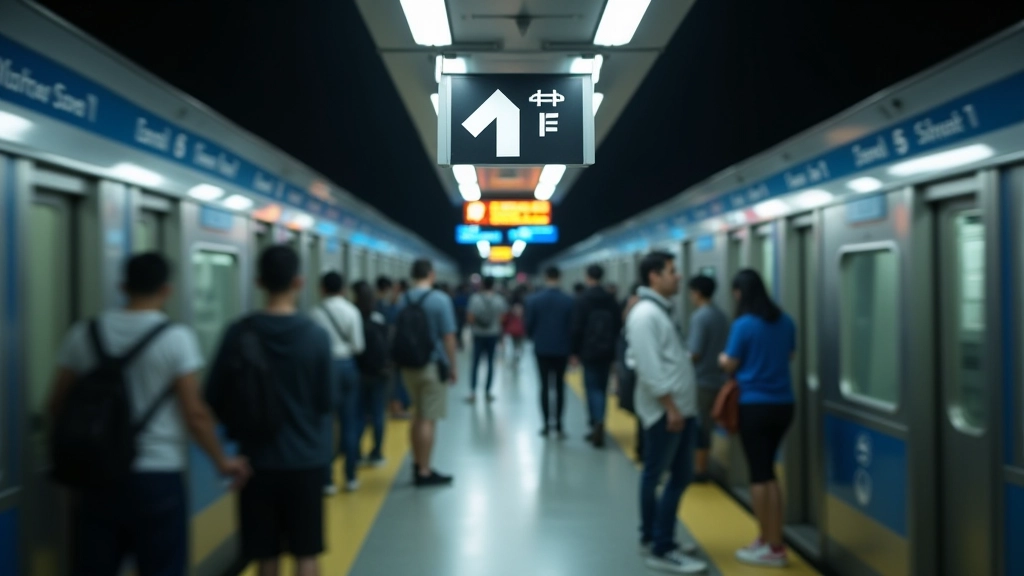
You're not just moving into an apartment—you're moving into Jurong East. This interchange is a serious transit hub, and you've got access to things that matter. Spend your first week actually exploring instead of unpacking everything.
Find your nearest 24-hour supermarket first. This isn't luxury—this is practical. You'll realize at 9 PM that you need instant noodles or milk, and knowing where to go matters. Giant and NTUC are both within reasonable distance from most Jurong East locations. Locate your nearest clinic too. You don't need to use it immediately, but when you inevitably get sick in your first month, you'll be glad you know exactly where to go. Raffles Medical and private clinics are scattered throughout the area.
The food situation here is genuinely good. There are hawker centers with proper kopitiams where you'll eat breakfast for under $4. Chinese Garden food court, Yuhua hawker center—explore them properly instead of defaulting to the same two stalls. You'll find your favorites within a week.
1
Register with relevant authorities
— Update your address with your bank, employer, and insurance within 2 weeks
2
Learn your MRT connections
— Jurong East connects to East-West Line and North-South Line. Spend one trip just going to different stations
3
Introduce yourself to neighbors
— You don't need to be friends, but knowing the people around you changes how the space feels
4
Test your commute during peak hours
— Don't just test it at 10 AM on a weekend. Go during actual rush hour so you understand the reality


The Things You'll Wish You'd Known
After talking to people who've made this move, there are patterns in what they regret and what they're grateful for. The first is this: don't bring every single thing from your previous place. You'll be living in a different space with different proportions, different light, different vibes. That bookshelf that was perfect in your old place might make your new space feel cramped. Give yourself permission to leave some things behind or store them temporarily.
Second: your internet connection is actually critical. Set this up before move-in day if possible. Starhub, Singtel, M1—they all cover the area. Don't wait until you're sitting in an empty apartment needing to work from home. Most providers can install within a few days, but during peak moving season, it can take longer.
Third: you don't need new everything immediately. Resist the urge to furnish completely in the first month. You'll make better decisions about what you actually want and need after you've lived in the space for a bit. Plus, you're probably not at your final destination financially or life-stage-wise. Buy what you need now, add what you want later.
Finally: Jurong East as a neighborhood has real character. It's not just a transit hub. There's genuine history here—the Chinese Garden, the wet market energy, the mix of old shophouses and new developments. Take time in your first month to actually be in the space instead of just rushing through it to get somewhere else. You might be surprised at what you find.

Explore Related Topics
Your Move Is Just the Beginning
Moving to Jurong East isn't complicated if you focus on what actually matters. Get your utilities sorted, bring the essentials for sleeping and eating, and give yourself time to adjust. The neighborhood's got everything you need—good food, good transit, real character. You're not just moving to an apartment. You're moving to a place with actual momentum. Take a breath, unpack slowly, and let the space become home on its own timeline. You've got this.