
Jurong East MRT Apartments: The Complete Neighborhood Guide
Everything you need to know about living near the interchange—from transport links to shopping centers and local amenities that make daily life easier.
Why Jurong East Stands Out
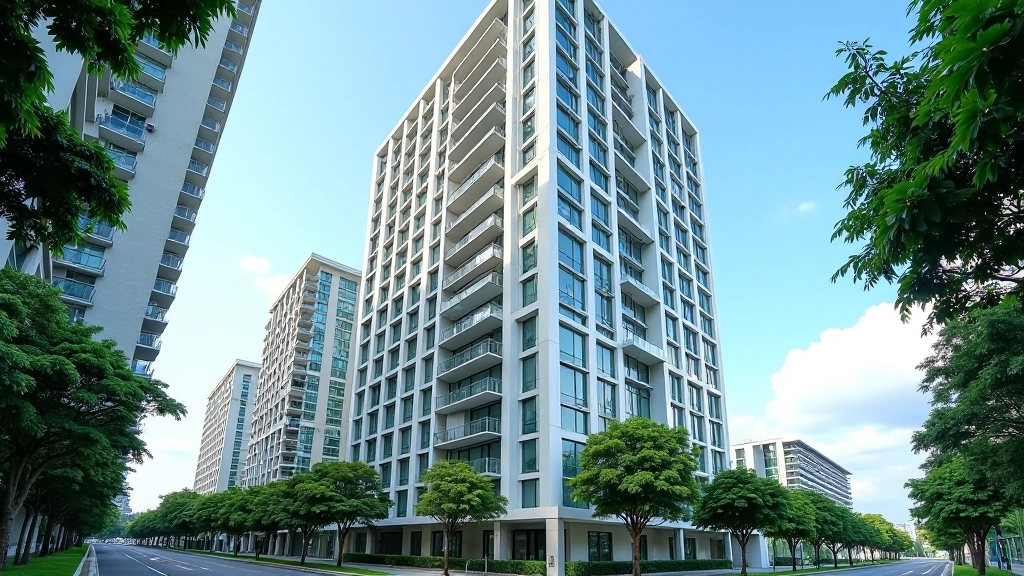
Jurong East isn't just another residential area—it's one of Singapore's most well-connected neighborhoods. The MRT interchange here is a genuine hub where multiple lines converge, making it incredibly convenient for commuters heading in any direction. We've spent time exploring what really matters when you're choosing where to live, and we've put together what we've learned.
The neighborhood's appeal goes beyond transport. You'll find shopping centers, hawker stalls, gyms, and green spaces all within walking distance. But there's more to understand about making this area work for you—especially if you're weighing it against other locations or trying to figure out which apartment to rent.
Getting Around: The MRT Advantage
Here's the thing about Jurong East MRT—it's not just one line. You've got the East-West Line, the Downtown Line, and connections to the Circle Line nearby. That means your commute options are genuinely flexible.
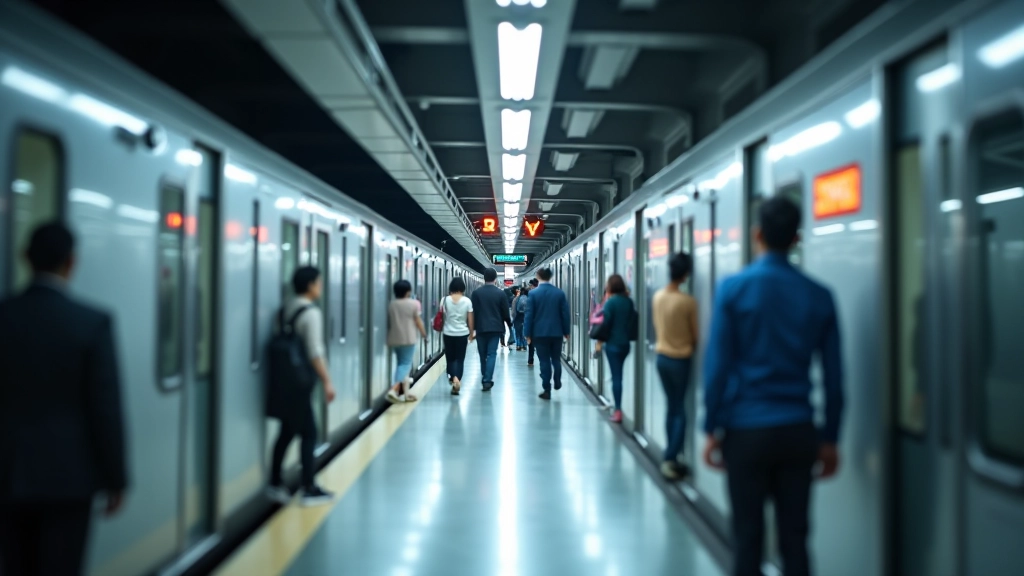
Most apartments within 10-15 minutes' walk of the interchange put you in a position where you can reach the CBD in about 25 minutes, Changi Airport in roughly 40 minutes, and other parts of the island without dealing with peak-hour traffic. The interchange itself is modern—it's got clear signage, good crowd flow during peak times, and amenities like convenience stores and food outlets.
Peak hour timing:
6:30–9:00 AM and 5:00–8:00 PM are busiest
Walking distance:
Most residents live within 800 meters of the station
Service frequency:
Trains arrive every 2-4 minutes during peak hours

Shopping & Dining Options
You won't lack for places to shop and eat. Jurong East has two major shopping centers right at the interchange—JEM and Westgate. Between them, you're looking at hundreds of stores, restaurants, and service providers all accessible without leaving the air-conditioned environment.
Beyond the malls, the surrounding streets have hawker centers where you can grab lunch for SGD 3-5. There's also a wet market within walking distance if you prefer fresh produce. Supermarkets like Cold Storage and NTUC FairPrice are plentiful. For dining, options range from casual food courts to proper restaurants—Thai, Chinese, Japanese, Indian, and Western cuisines are all represented.
- JEM: Over 400 retail and F&B outlets
- Westgate: Connected directly to the interchange
- Multiple hawker centers within 5-minute walk
- 24-hour convenience stores near most apartment blocks

Recreation & Wellness
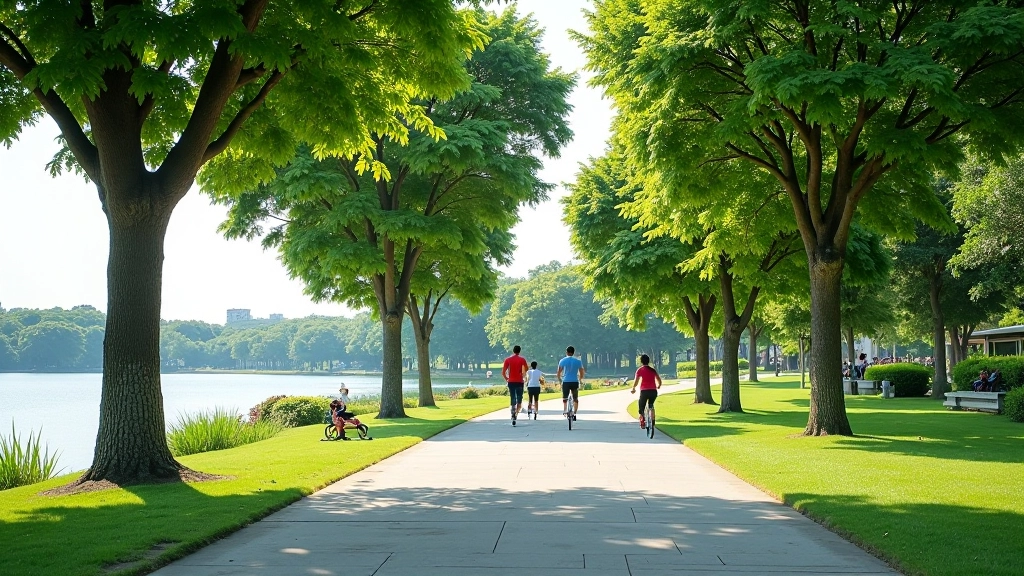
Living here means you've got options for staying active and healthy. The area has several gyms, including commercial chains and smaller fitness studios. If you prefer outdoor activities, Jurong Lake is a 15-minute walk away—it's got jogging paths, cycling routes, and peaceful spots to relax.
Fitness Centers
Multiple gyms within walking distance, from budget options to premium facilities with pools and classes
Parks & Lakes
Jurong Lake Gardens offers jogging paths, cycling routes, and peaceful spaces for outdoor relaxation
Healthcare
Jurong Community Hospital and numerous clinics provide accessible medical services nearby
Library & Education
Jurong Regional Library and various schools make it convenient for families and students
Important Note
The information in this guide is intended to help you understand the Jurong East neighborhood and MRT-connected living. Conditions, amenities, and services change over time. We recommend verifying current details with local authorities, property agents, and service providers before making housing decisions. Personal circumstances vary—what works for one resident may differ for another. This guide is educational and informational in nature.

Day-to-Day Living: What You'll Actually Experience
Here's what residents consistently mention about life here. Your mornings will involve predictable commutes—you'll know exactly how long it takes to reach the station, and the trains run reliably. Most people living near Jurong East aren't spending their evenings in long traffic jams. That's a genuine advantage.
Weekends are different. You've got shopping centers for retail therapy, lakeside walks for outdoor time, and hawker centers for casual dining. The neighborhood doesn't feel cramped—there's breathing room. Noise levels are moderate. You're close enough to the city to access everything, but far enough that it doesn't feel overwhelming.
Community-wise, it's quite diverse. You'll find young professionals, families with kids, and retirees all choosing this area for similar reasons—convenience and lifestyle balance. Social spaces exist naturally—coffee shops near the MRT, the hawker centers, park areas—but you're not forced into artificial community activities if that's not your preference.
Practical Considerations
1
Check Your Commute Route
Use the MRT map to verify which lines connect to your workplace. Some apartments are closer to certain exits—that matters during rush hour. Spend 10 minutes planning your actual journey before committing to a location.
2
Visit During Peak Hours
Don't just view apartments in the afternoon. Come back at 8 AM or 6 PM to understand what the commute and neighborhood feel like when they're busy. This gives you honest perspective on noise, crowds, and actual living conditions.
3
Explore on Foot
Walk the neighborhood. Check how far the grocery store is. See if the coffee shop you'll use daily is convenient. Small details about walkability affect your daily quality of life significantly.
4
Ask Current Residents
If you can, chat with people at the hawker center or in the MRT. Real residents give honest feedback about what they like and what they'd change. You'll get practical insights no guide can provide.
Making Your Decision
Choosing to live near Jurong East MRT comes down to your priorities. If convenient commuting is high on your list, this neighborhood delivers. The infrastructure is solid, the amenities are genuine, and the lifestyle is balanced. You're not sacrificing convenience for space or character.
The neighborhood isn't flashy or trendy—it's practical and functional. That's actually its strength. It works well for professionals who commute daily, families who need reliable access to schools and services, and anyone who values their time and wants to spend less of it sitting in traffic.
Take time to visit properly. Talk to residents. Check your specific commute. See if the daily experience matches what you're looking for. If it does, you'll likely find that Jurong East offers genuine value for convenient, connected living in Singapore.
Ready to explore apartments?
Check out our guide on budget-friendly options or commuting strategies to make your move smoother.
Explore Budget Apartments